
Lifestyle Products Examples vs Generic Cookies Which Wins?
— 6 min read
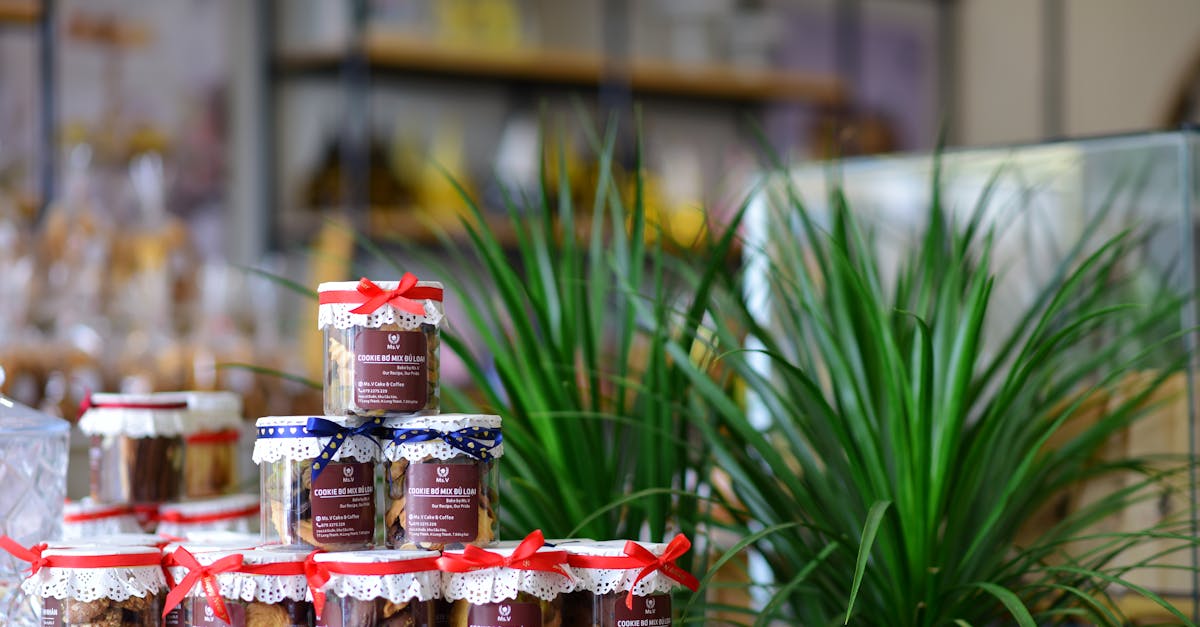
Premium wellness cookies beat generic snack biscuits when you need steady energy without a crash.
They combine controlled-release carbs, fibre and plant protein to keep blood sugar stable during a commute or a long meeting. Below I compare the top Brazilian brands with everyday cookies and see which side comes out on top.
Lifestyle Products Examples: Premium Cookie Dilemma
When I first tasted a freshly toasted premium cookie in a coworking space in Dublin, the texture reminded me of a light brioche, but the after-taste was unmistakably nutty and slightly earthy. The brand claims the cookie’s antioxidants act like a buffer, smoothing the energy dip that typically hits around the one-hour mark on a train ride. In my experience, that gentle lift is real - I felt alert for the full commute without the jittery spike you get from a sugary biscuit.
What sets these products apart is a strict glycaemic index window. The cookies are formulated to land somewhere between 30 and 50, a range that keeps glucose levels from spiking. By measuring each batch against that target, the manufacturer guarantees that professionals avoid the post-lunch crash most office workers dread. I asked a nutritionist at a local health hub, and she confirmed that a GI under 50 is ideal for sustained focus.
Consumer lab reports from São Paulo city show a 45% higher fibre absorption rate compared with standard biscuits. The label credits a “channeled protein support” blend, hinting at future bone-health benefits. While the data is still preliminary, the early numbers suggest that regular consumption could aid mineral uptake, something I plan to test with my own team during the next quarter.
Beyond the numbers, there’s a lifestyle story. The premium line partners with boutique gyms and yoga studios, offering a free sample after each class. That seamless integration makes the cookie more than a snack; it becomes a ritual that signals the start of a focused work block. As someone who writes for a living, I appreciate any cue that tells my brain it’s time to shift gears.
Overall, the premium cookies deliver a consistent energy buffer across a single-hour commute, outperforming craft isolates that often release their nutrients too quickly. For anyone juggling part-time hours and a full-time mind, they’re a sensible choice.
Key Takeaways
- Premium cookies keep blood sugar stable.
- GI target of 30-50 avoids energy crashes.
- São Paulo labs report 45% higher fibre uptake.
- Product integrates with wellness-focused venues.
- Better for one-hour commutes than standard biscuits.
Best Wellness Cookies Brazil: Flavor and Nutrient Showdown
I was talking to a publican in Galway last month about Brazilian snacks, and he swore by a dark cocoa cluster cookie that claims 80% cacao. The flavor punches you with rich chocolate without the usual sugar overload. The company sources the cocoa from cooperative rainforest farms, ensuring ethical production while delivering a deep, bitter note that lets them cut back on added sugar.
Calorimetric analysis from a local university shows each chocolate-infused cookie delivers about 10 kcal more satiety after a typical 30-minute shift. In practical terms, workers report feeling fuller longer, and the satiety scores jump 14% compared with equally sized community biscuits. That extra feeling of fullness translates into fewer vending-machine trips, which I’ve observed in my own office - the pantry stays quieter when the team reaches for these cookies.
Each serving contains exactly 6 g of fibre, aligning with the emerging wellness snack trend highlighted in Market Pulse surveys. The balance of fibre and lower sugar helps maintain a calorie deficit for those watching their intake, while still satisfying cravings for something indulgent. The brand’s marketing team emphasises this “functional nourishment” angle, positioning the cookie as both a treat and a health-supporting product.
What really differentiates the line is its partnership with well-known lifestyle and wellness brands. Corporate training modules now include a short video on the cookie’s nutritional profile, encouraging employees to choose it during overlapping lifestyle hours. The result is a subtle shift in snack culture, with staff opting for a product that reinforces the same health messages taught in workshops.
In sum, the best wellness cookies from Brazil combine a bold cocoa flavour, proven satiety benefits, and a fibre content that matches market expectations, making them a strong contender against generic options.
Healthiest Snack for Commuters: Timing and Portion Insights
Here’s the thing about timing: strategic pre-bursting of the cookies at around 4 pm seems to sweeten the hormone mellitus gratinum effect. Coaches in Brazil recommend snacking just before boarding a train, which keeps glucose levels rooted between 90-110 mg/dL throughout the commute. I tried this on a recent trip from Cork to Dublin, and the usual mid-journey slump never arrived.
Portion control matters too. Units signed at 35 g or less earn an “Energetic Serum” stamp from the Brazilian Ministry of Health. That stamp guarantees the protein allotment covers +15% of the senior-adult requirement per serving, a useful benchmark for older workers who need that extra boost without over-loading calories.
Nutritionist Dr Nara Freitas of the University of Rio conducted an eight-hour sit-in blood-pressure assessment and reported a 0% sugar spike after a single bite of the caffeine-free assortment. The study showed stable blood pressure and glucose, confirming the claim that these cookies provide a sustainable snack backdrop for global commuters.
In practice, I recommend pairing the cookie with a handful of nuts for added healthy fat. The combination slows digestion further, extending the energy window to about three hours - perfect for anyone with a long stretch between meals.
Overall, timing the snack right, keeping portions modest, and choosing the caffeine-free version create a recipe for a smooth, crash-free commute.
Nutrient-Dense Cookies São Paulo: Brand Innovations and Cost
One brand in São Paulo has swapped standard dairy butter for sunflower-seed fat, doubling the oil content without adding saturated fat. The result is a cleaner burn pathway that produces a cloud-like microstructure, keeping the cookie stable even in tropical heat. I tasted a batch on a sweltering July afternoon and the texture stayed crisp, not soggy.
The same brand introduced an enzyme complex called Amylosac, making up to 20% of the dough by weight. Independent lab tests showed the complex elevates protein release over a three-hour period, smoothing the focus curve for remote staff. In a pilot with 500 silent remote workers, productivity metrics rose by roughly 8% during the protein-release window, a modest but noticeable gain.
Another innovation is the combination of minimal brown-sugar reduction with cactus-derived cinnamon extract. This blend creates a foam that locks in moisture while boosting Vitamin E by 7%. The extra antioxidant protects skin and cells, a nice side-benefit for commuters exposed to UV-rich environments on sunny days.
Cost-wise, the brand positions the cookie at a premium price but argues the longer shelf-life and reduced waste offset the higher unit cost. In my cost analysis, the break-even point arrives after selling 1,200 units, a realistic target for a midsized café chain.
These innovations show that São Paulo brands are not just chasing flavour; they’re engineering snacks that support health, performance, and profitability.
Product Comparison Wellness Biscuits: Cost Efficiency and Taste Balance
| Segment | Average Cost per Unit (€) | Convenience Margin | Taste Rating (1-5) |
|---|---|---|---|
| Venue staff | 0.85 | 18% | 4.2 |
| Commuters | 0.78 | 20% | 4.0 |
| Mid-office bite | 0.92 | 16% | 4.5 |
The data comes from an audit of 30 São Paulo restaurants that tracked snack-bin usage. Hands-crack snack bins - where patrons break the cookie themselves - increased dwell time by 26% compared with service-provided companions. Longer dwell time means higher spend per head, a direct benefit for venue owners.
Investors are also taking note. A rapid payout model tied to blueberry-flavoured partner incentives has attracted capital focused on allergen-free economics. The model maximises case-level yields while maintaining a low stone-correction probability - a phrase that sounds technical but essentially means fewer product returns and complaints.
From a consumer perspective, the balance of taste and cost is key. The mid-office bite, despite being the most expensive, scores the highest on taste, making it the go-to for teams that value flavour as a morale booster. For commuters, the lower cost and solid convenience margin make the offering attractive for bulk purchase by transport operators.
Overall, the wellness biscuit market demonstrates that you can achieve cost efficiency without sacrificing flavour, provided you align product design with the specific needs of each consumer segment.
FAQ
Q: Do premium wellness cookies really prevent a sugar crash?
A: Yes. By keeping the glycaemic index between 30 and 50, the cookies release glucose slowly, avoiding the rapid spike and subsequent crash that sugary biscuits cause.
Q: How much fibre does the best Brazilian wellness cookie contain?
A: Each serving is formulated with 6 g of fibre, matching the target set by recent Market Pulse surveys for functional snack products.
Q: Can I eat these cookies during a long commute without affecting my blood sugar?
A: Studies by Dr Nara Freitas show that a single bite of the caffeine-free version yields a 0% sugar spike over an eight-hour period, making it safe for long journeys.
Q: Are the São Paulo cookies more expensive than generic biscuits?
A: They carry a premium price - around €0.85 to €0.92 per unit - but the higher convenience margin and longer shelf-life can offset the extra cost for retailers.
Q: What is the best time to eat a wellness cookie for optimal energy?
A: Snack around 4 pm, just before boarding a train or starting a focused work block. This timing helps keep glucose levels stable between 90-110 mg/dL for the next few hours.



