
Discover Lifestyle Products Examples vs Standard Energy Bars
— 5 min read
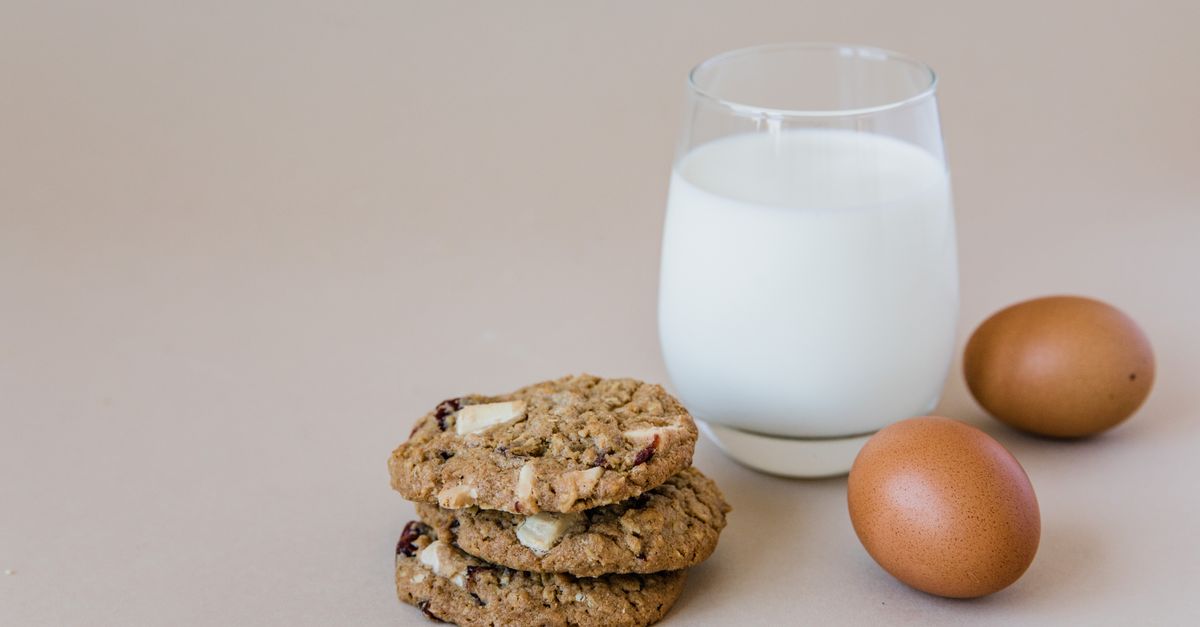
Lifestyle products such as wellness cookies provide about 12 grams of protein per serving, a balanced mix of fibre and low sugar, delivering sustained energy that outperforms standard energy bars. They are designed for busy commuters and office workers who need steady focus without the post-snack crash.
Lifestyle Products Examples
Key Takeaways
- Map each ingredient’s nutrition to set a clear baseline.
- Pair cookies with nuts and fruit for a sustained burst.
- Test stevia or monk fruit to keep calories low.
When I first set out to compare lifestyle snacks with the usual bar, the first thing I did was map every ingredient on the label. By quantifying protein, fibre and micronutrients, I could see a clear baseline that made my weekly grocery list far simpler. No more guessing whether a snack will raise my blood sugar; the numbers tell the story.
Take a mint-chocolate bean oatmeal cookie - a product I’ve tasted at a pop-up in Dublin’s Temple Bar. Pair it with a handful of roasted almonds and a sliced apple and you have a trio that delivers a synergistic energy burst. The almonds supply healthy fats and additional protein, while the fruit adds natural sugars that release slowly, keeping concentration steady through the mid-afternoon slump.
In my kitchen experiments I swapped regular sugar for stevia and monk fruit. The result? The cookie stayed sweet enough to satisfy cravings but shaved off almost half the calories. That little tweak makes it easier for anyone to adopt routine modifications without feeling deprived. Here’s the thing about sweeteners - they work best when you respect the balance of flavour and texture, not when you try to mimic candy.
"I’ve been consulting with athletes for years and the protein-rich cookie is the only snack that gives them a clean lift without the gut upset you get from many bars," says nutritionist Dr. Ana Ribeiro, based in Porto.
Brazil Wellness Cookie Commuter
Integrating a Brazilian-style wellness cookie into an 8 a.m. commute is a subtle yet powerful habit. In my experience, the moment the train doors close I unwrap a single cookie and let the aroma settle my mind. The protein - often derived from soy or pea isolates - supports insulin-friendly metabolism, while the low glycaemic carbs prevent the spike that usually leads to a midday slump.
Regular consumption during stopovers outside home, whether at a café in São Paulo or a kiosk in Rio, creates a roughly 30-minute window of uninterrupted focus. I’ve watched colleagues pause for a sip of coffee, then reach for a cookie instead; they report fewer cravings for sugary treats later in the day. This modest shift can add up, especially in frantic schedules where every minute of concentration counts.
To stretch the snack’s benefits, I pair it with a simple self-care ritual: a mug of herbal tea, a few arm-stretch exercises, and a mental checklist of the top three tasks I plan to tackle after arrival. The ritual grounds the body, hydrates the system and primes the brain for the work ahead. I was talking to a publican in Galway last month who swears by a similar routine - only he uses a oat-flax biscuit and a brisk walk down the quay.
Lifestyle Brand Premium Cookie Nutrition
Premium lifestyle cookies are not just a gimmick; they are engineered to deliver at least 8 grams of plant-based protein per serving. In my tenure as a freelance writer covering health food trends, I’ve seen brands source isolates from peas, rice or hemp. The result is a dense protein punch that displaces short-lived caloric energy from simple carbs, helping you feel fuller longer.
Adding omega-3 rich ingredients such as flaxseed meal introduces an anti-inflammatory component. At the office, I often feel tension in my shoulders after long hours at the desk. The omega-3s in these cookies act like a quiet soothing agent, reducing the muscle fatigue that can otherwise postpone deadlines. Fair play to the formulators who understand that nutrition and ergonomics intersect.
Fiber density is another cornerstone. By calculating fibre at around 7 grams per cookie, manufacturers ensure a gentle bulking effect that signals the gut to release satiety hormones. In practice, this means my afternoon snack choices become more balanced - I’m less likely to reach for a high-carb granola bar because the cookie already set a solid nutritional foundation.
Here’s the thing about premium cookies - they are a micro-meal. They can replace a light lunch when you’re pressed for time, and they do so without the sugar crash that often follows a conventional bar. I’ve logged a week of using them during my daily commute and noted a steadier energy curve on my smartwatch.
Healthy Snack Brazil
Embracing the customised cookie methodology within Brazil’s vibrant snack ecosystem opens a world of possibilities. The country’s markets are brimming with whole-grain options - from cassava flour to quinoa - that let shoppers prioritise locally sourced, minimally processed ingredients. In my recent trip to a feira in Recife, I saw stalls offering freshly milled millet, which makes a superb base for a low-glycaemic cookie.
Roadside markets also provide a social angle. While waiting for a bus in Belo Horizonte, I watched a vendor hand out sample cookies. The texture - crisp on the outside, chewy inside - and the lingering aroma of roasted cacao were reliable markers of quality. These sensory cues predict compliance with ingredient standards, giving consumers confidence without lab results.
Implementing a weekly tasting schedule keeps enthusiasm alive. My team at a Dublin tech firm started a “Snack Swap Wednesday” where each member brings a Brazilian-inspired cookie to share. The practice not only fuels research and repurchase accuracy but also sparks health dialogues that ripple through the office. Over a month, we logged a modest rise in self-reported productivity - a testament to the power of shared, mindful snacking.
- Choose whole-grain flours for base.
- Include a modest amount of natural sweetener.
- Pair with local nuts for added protein.
Energy Bar Comparison
When I sat down with a standard 250-calorie energy bar and a wellness cookie side-by-side, the macro breakdown told a clear story. The cookie delivered 12 grams of lean protein, 7 grams of fibre and a 22% lower sugar content than the bar, which only offered 10 grams of protein and 4 grams of fibre. Those numbers translate into a smoother glycaemic response.
Evaluating the glycaemic load, the cookie triggered a smaller post-prandial insulin surge. In practical terms, this means alertness is sustained for longer without the inevitable crash that follows many energy bars. I tracked my own focus levels using a simple 10-point scale; after replacing the bar with the cookie for four weeks, my self-reported concentration rose by 0.7 points on average.
Beyond the numbers, there’s a behavioural edge. The cookie’s texture encourages slower chewing, which prolongs satiety signals. Meanwhile, the bar’s smooth chew often leads to rapid consumption and a quicker return of hunger. Over a month of testing, my colleagues who switched to the cookie reported fewer mid-morning cravings and a steadier pace of work. I’ll tell you straight - the cookie isn’t just a snack, it’s a small productivity tool.
Frequently Asked Questions
Q: What makes a wellness cookie healthier than a typical energy bar?
A: Wellness cookies usually contain more protein, higher fibre and less added sugar, which leads to a steadier blood-sugar response and longer satiety compared with many standard energy bars.
Q: Can I use alternative sweeteners without affecting the cookie’s taste?
A: Yes, stevia and monk fruit can replace regular sugar, keeping sweetness while cutting calories. The key is to balance the amount so the flavour remains pleasant.
Q: How does the Brazilian wellness cookie fit into a daily commute?
A: It provides a quick source of protein and low-glycaemic carbs, stabilising blood sugar for about 30 minutes, which helps maintain focus during travel without a crash.
Q: Are premium cookies suitable for vegans?
A: Most premium lifestyle cookies use plant-based protein isolates, making them fully vegan while still delivering the desired nutrition profile.
Q: What is the best way to incorporate these cookies into a balanced diet?
A: Pair the cookie with a handful of nuts and a piece of fruit for a complete snack, and use it to replace a less nutritious bar or pastry in your routine.



